
Treasures from the Grand to the Mundane
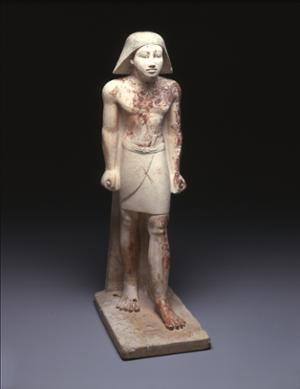
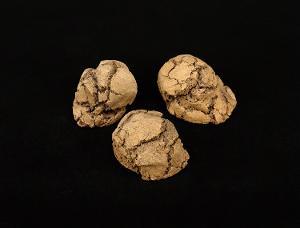
The Penn Museum’s treasures contain everything from the grand (such as monumental statues) and the ferocious (such as ancient swords and helmets) to the mundane (think of hair combs, clay colanders for washing vegetables, or even, from Egypt, some very old – and presumably now very stale – loaves of bread[1]). Some of its collections are downright quirky. The museum holds, for example, an impressive array of clay “incantation bowls” excavated from Nippur and dating from the Late Antique period (circa 400-700 CE). Adorned with Hebrew and Aramaic inscriptions and sometimes with drawings of demons, these bowls ostensibly protected their owners, who buried them in the ground in front of their homes to ward off malign forces. Even quirkier are the remnants of a goose egg that Penn archaeologists found, intact, between two walls at Nippur that dated from the Parthian Empire period (247 BCE – 224 CE). Records suggest that the egg broke while “en route to Constantinople” (Istanbul), leaving the museum with pieces of shell and hardened yolk.[2] A skeptic may well ask, “Why keep stuff like this?”, while a museum researcher may well respond, “because the egg can impart information.” In fact, a response like this one makes ever more sense today when researchers have access to increasingly sophisticated tools of biochemical analysis in the field known as “zooarchaeology”.
[1] The Women’s Committee, Culinary Expeditions: A Celebration of Food and Culture Inspired by Penn Museum Treasures (Philadelphia: University of Pennsylvania Museum of Archaeology and Anthropology, 2014), pp. 34-35.
[2] Goose Egg from Nippur, Penn Museum Object B2892. Information about the goose egg appears in the museum's Collections of the Babylonian Section (CBS) Register.