
The Here and the There of Our History
From its beginnings in 1740, the University of Pennsylvania developed within a popular North American cultural milieu where interest in the Judeo-Christian heritage was strong. Among faculty and students alike, fascination for the lands of the Bible and for civilizations in its vicinity ensured that as Penn grew, its programs relating to the Near and Middle East grew, too. In time, a strong interest in Islamic civilizations and cultures developed within the university as well.
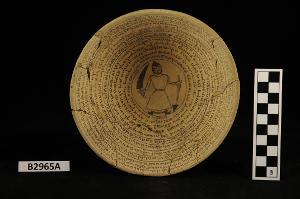
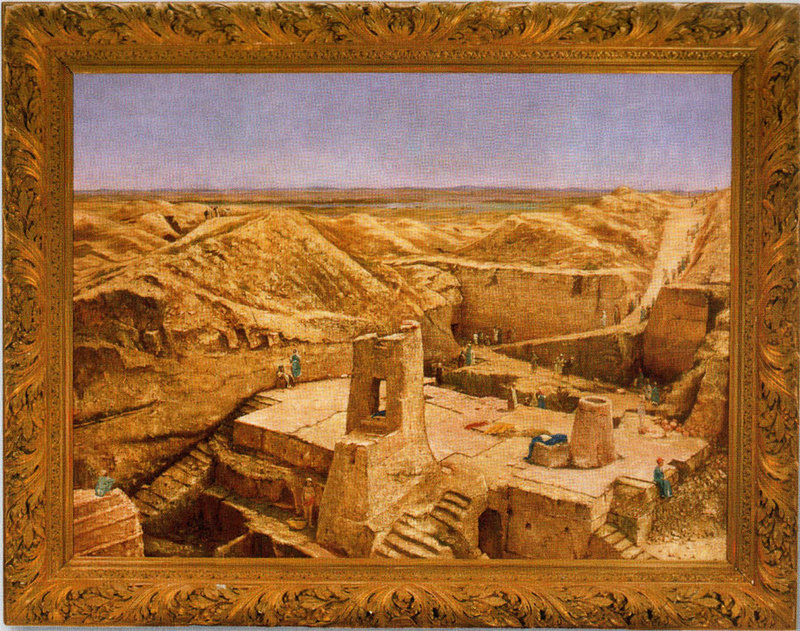
During the late eighteenth and early nineteenth centuries, scholars at Penn studied the Near and Middle East from afar. This situation changed in the late nineteenth century as its scholars increasingly ventured out to study the region in situ. Over the years, and through these mediations, Penn acquired and assembled many objects with the result that the university’s collections from this region are rich, diverse, and stunning. Consisting of sculptures, paintings, rare books, documents, and above all, archaeologically excavated remains, Penn’s collections offer tremendous opportunities to scholars. The participants in this seminar certainly benefitted; they were able to examine up close and sometimes even to touch some of the material evidence obtained through the university’s historic connections abroad.