
Introduction
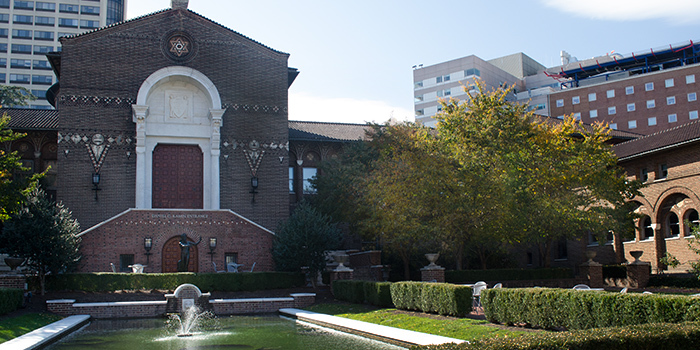
Among museums in the United States, the University of Pennsylvania’s Museum of Archaeology and Anthropology led path-breaking excavations into historic Middle Eastern sites beginning in the late 1880s. The Penn Museum was in fact the first American museum to initiate excavations within the Middle East. It arrived in the region at a time when many other foreign museums, from countries like France and Britain, were already engaged in excavations, generally for the sake of building the collections of national museums – such as the Louvre, in Paris; or the British Museum, in London – which foreign governments supported in hopes of gaining prominence on the world stage[1]. In other words, national (and nationalist) rivalries influenced archaeological excavations in this period, not only in the Middle East but everywhere in the world. Before long, however, the efforts of foreign archaeologists to take antiquities out of the countries where they were digging led to disputes over ownership and rights, and made clear the need for antiquities laws to regulate excavations.
Note that the Penn Museum engaged with many foreign governments in the course of its archaeological ventures. In the case of the Middle East alone, it dealt with the Ottoman Empire in organizing the Nippur (1889) and Ur (1922) expeditions, the Persian Empire (1930) in the case of different excavations around Iran, and the British Empire (1907) in Egypt. These interactions prompted the Penn Museum to negotiate agreements with most of these governments, in order to ensure that Penn scholars could conduct their excavations with integrity.
[1] Goode, James F. Negotiating for the Past: Archaeology, Nationalism, and Diplomacy in the Middle East, 1919-1941. Austin: U of Texas, 2007. Print.