Title
Leaf senescence
Description
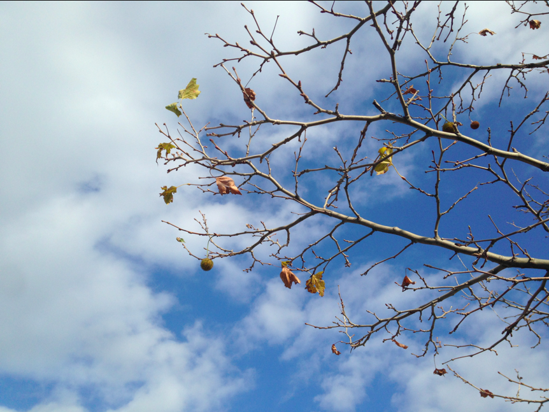
In the autumn, the organic molecules produced in the leaves of deciduous plants over the past several months undergo significant rearrangements. Were the plants to retain their spring leaves through the winter, they would likely be irreversibly damaged by the cold, dry air. So, plants reabsorb as many nutrients as it can and convert them into forms that can be stored in stems, buds, roots, and other structures. Especially important is the reabsorption of chlorophyll, which is why leaves often lose their green color in the fall. The more the plant strips from these leaves, the weaker they become until they fall from the plant. The fallen leaves are still made of organic molecules, but they have much less substance than their spring or summer selves. The majority of the leaves’ photosynthetic products have been stored elsewhere in the plant.